Practical examples from the world of IT and data recovery, across all types of media including HDD, SSD, RAID, mobiles, memory cards, and more.

The Huawei phone came to us for diagnostics after a home attempt at data recovery. Fortunately, the user's intervention was not too severe, but it highlights the fact that attempting to recover data from a phone at home is not advisable. The phone had a damaged motherboard, destroyed battery, and a broken display. For phones with the Android operating system, it is crucial that the memory chip and processor are not damaged. Luckily, this was not such an extensive defect.

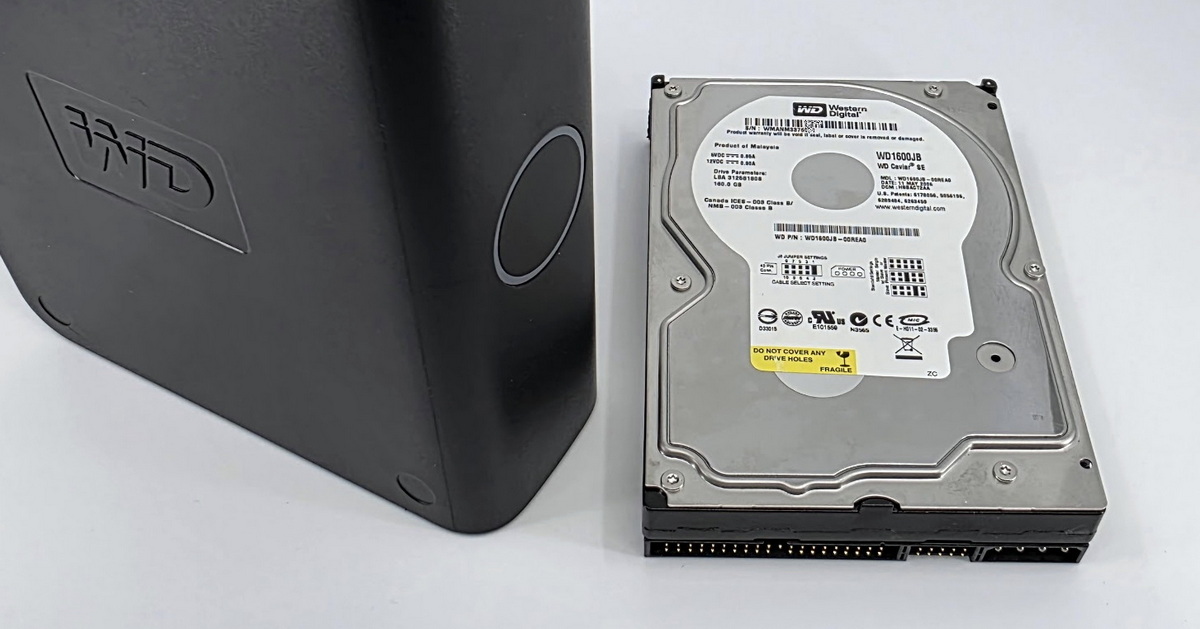
A Western Digital hard drive manufactured in 2009 served well in a laptop for a long time. When it was time to upgrade to an SSD, it continued to serve the user as an external USB drive. However, 14 years is a long time, which can manifest various issues. This drive, in addition to minor surface defects on the data platters, also exhibited a failure of one read head. Such a fault can make all user data inaccessible.

Hard drives have been storing our data for decades. This particular one served well for over 10 years, and if not for an unexpected power failure disrupting the symbiotic hum of its read heads and data platters, it probably would have had a few more years of service left. This older Seagate model has an obsolete configuration where the read heads don't have a safe zone outside the data platters, but instead rest in the middle of the platters. Normally, the heads would retract to this area when powered off, but in this case, they got "stuck" on the data platters. Initially, data recovery didn't look very promising, but it was ultimately successful.

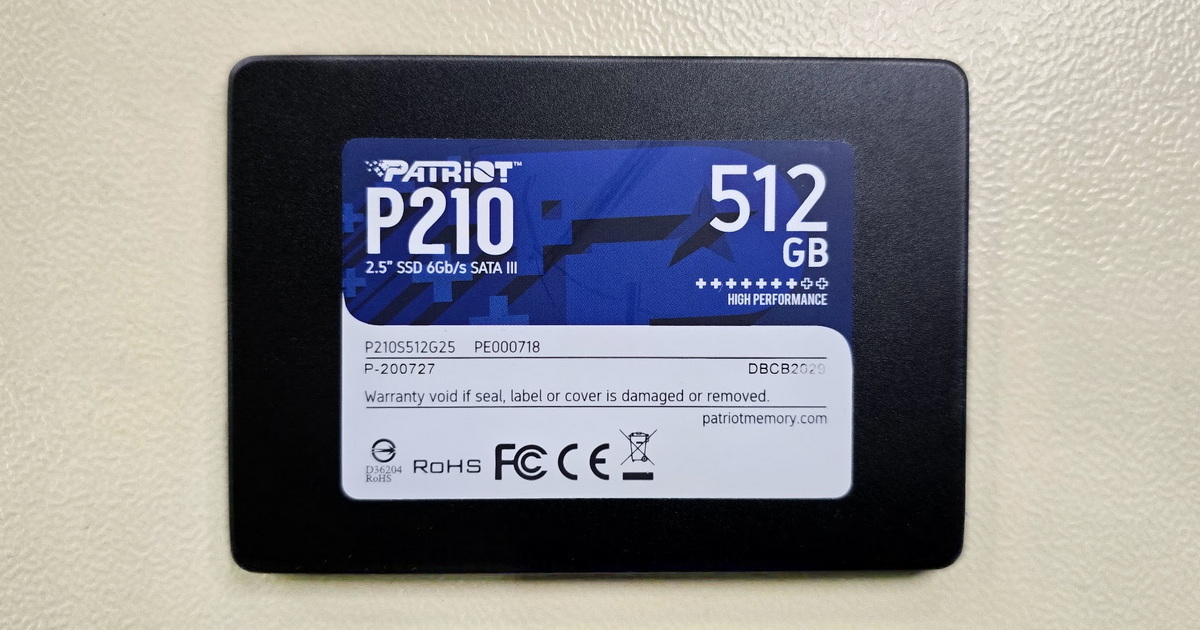
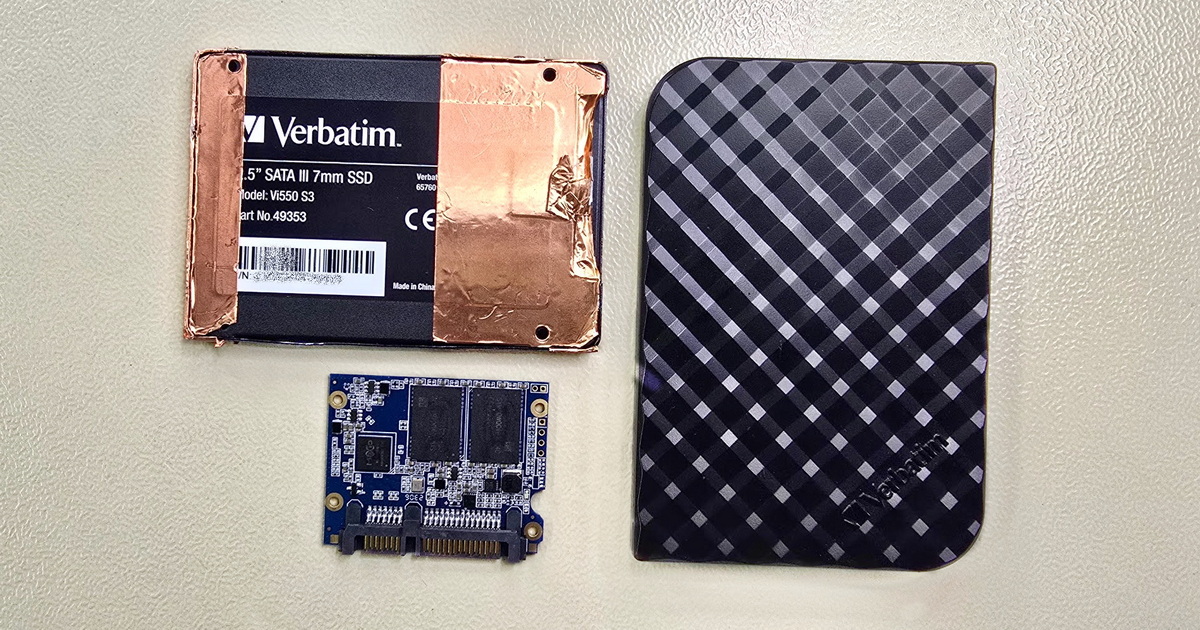
A miniature SSD with a capacity of 256GB. This and many similar SSDs serve as the system disk in most modern computers and contain important, yet often unbacked-up, data. One day, the laptop simply failed to boot the operating system, leaving the user in a difficult situation. However, this story has a happy ending because the failure was not so severe that the data was unrecoverable.

Flash drives, SD cards, SSDs, mobile phones, and other memory media based on NAND memory chips are considered mechanically more durable, and sometimes people assume that such media cannot fail. This case is proof that a fall can destroy a hard drive just as easily as a "non-mechanical" flash drive.

Inside the plastic case was a Toshiba brand disk which one day betrayed its user, resulting in lost data access. The seemingly spontaneous failure could have been due to an impact or fall that the user was unaware of or had forgotten. However, the failure could also have been truly spontaneous, i.e., a material defect. This defect was not fatal for the disk and data but required a relatively technologically complex procedure.

For many of us, the mobile phone has become an indispensable part of everyday life. Some phones are more resistant, others not, and so one of the common causes of mobile phone failure is oxidation of the motherboard, which results from the intrusion of moisture. Rain, a dip in the pond, or in the sea... there are many causes of oxidation. If there is a lot of moisture inside the phone, oxidation can seriously damage some parts of the phone.

Flash drives are not among the most reliable data media, and while they use a similar memory chip foundation as those found in SSDs and mobile phones, most flash drives are technologically inferior. When you add the frequently low quality of flash drive components, you end up with a data medium that should only be used to transfer data backed up elsewhere or to store non-essential data. We ultimately resolved this case successfully.

After upgrading the notebook, this Seagate hard drive was placed in an external box and used as external storage. A fall proved to be its downfall; it was not completely destroyed, but it did not escape serious damage. The diagnosis of this disk was not very favorable, but a significant amount of data was still recovered.

The era of this hard drive began in 2008. After several years, it failed and was stored in a drawer for future data recovery, as the technology at the time of failure was probably not sufficiently advanced. The time for data recovery came in 2023, and although the diagnostics were not entirely positive, in the hands of an experienced technician equipped with modern technologies, data recovery was successfully completed.
EXALAB Data Recovery
Microshop s.r.o.
Pod Marjánkou 4
169 00 Praha 6
Česká Republika
Opening hours:
Monday to Thursday
9.00 - 18.00
Friday 9.00 - 17.30
other opening hours are possible upon agreement
Hotline: +420 608 177 773
Office: +420 233 357 122
E-mail: [email protected]
Hotline: +420 608 177 773
Kancelář: +420 233 357 122
E-mail: [email protected]
Opening hours:
Monday to Thursday
10.00 - 18.00
Friday 10.00 - 17.30
other opening hours are possible upon agreement
EXALAB Data Recovery
Microshop s.r.o.
Pod Marjánkou 4
169 00 Praha 6
Česká Republika